
Too Perfect to Be True? The Romance Scam Formula Exposed
Romance scams aren't random—they follow a proven 3-stage formula designed to manipulate your emotions and drain your bank account. Learn the warning signs of Stage 1 (Idealization), Stage 2 (Exploitation), and Stage 3 (Exit Strategy) so you can spot love scammers before they hook you. If someone seems "too perfect," they probably are.
11/14/202515 min read
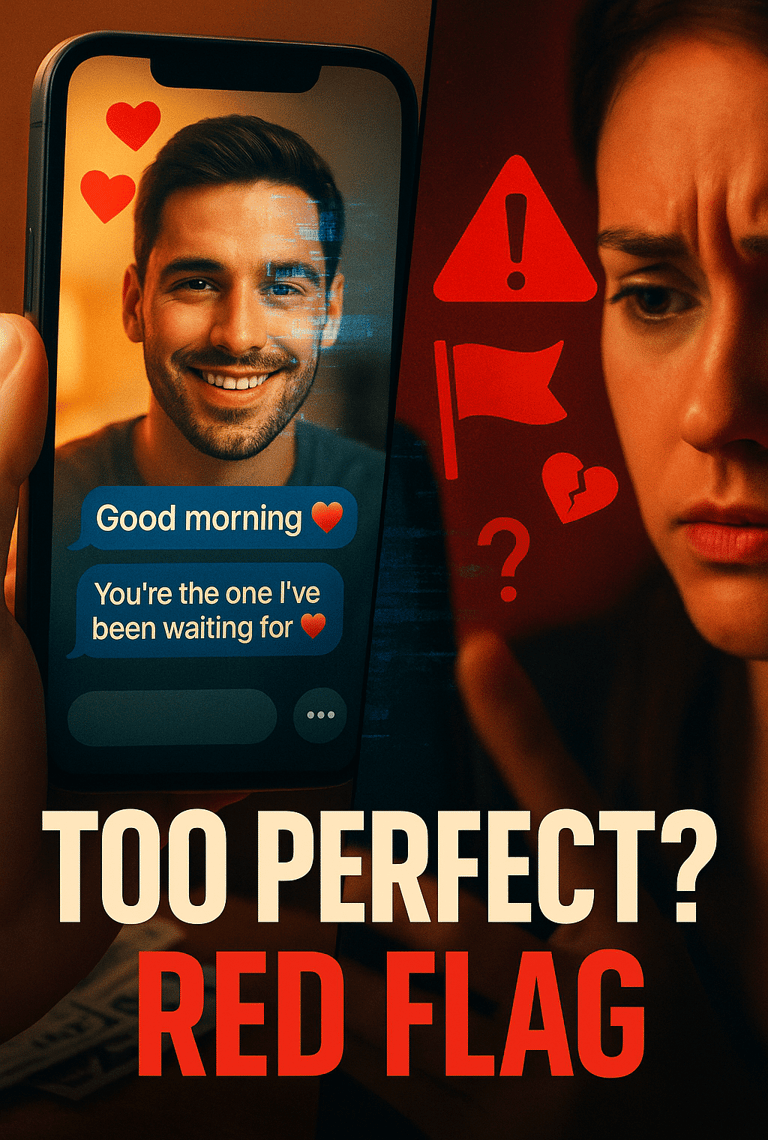
When Sarah received her first "Good morning, beautiful" text at 6:47 AM from Marcus, she felt a flutter in her chest. By day three, he was texting her throughout the day, remembering she had a big presentation at work, asking about her aging cat, and sharing vulnerable stories about his own heartbreaks.
"I've never felt this connected to anyone so quickly," he told her.
Sarah felt the same way. It seemed like fate.
It wasn't fate. It was Stage 1 of a romance scam formula that's been perfected over decades and has cost victims over $1.3 billion in 2022 alone.
Here's the uncomfortable truth: romance scams aren't random acts of deception. They follow a methodical, three-stage playbook designed to manipulate your emotions, exploit your vulnerabilities, and extract maximum financial damage before disappearing without a trace.
If you're in the early stages of an online relationship that feels "too good to be true," this article could save you from devastating emotional and financial loss. Let's break down exactly how romance scammers operate—and the red flags you need to watch for at every stage.
Understanding the Romance Scam Formula
Romance scammers don't wing it. They follow a tested psychological framework that mirrors legitimate relationship development, but at an artificially accelerated pace. This three-stage formula has proven so effective because it hijacks the same brain chemistry that occurs in genuine romantic connections.
The three stages are:
Idealization (The Love Bombing Phase) - Creating the perfect fantasy
Exploitation (The Testing Phase) - Establishing financial dependency
Exit Strategy (The Abandonment Phase) - Maximum extraction and disappearance
Each stage builds on the previous one, creating psychological investment that makes it increasingly difficult for victims to recognize the manipulation. The scammer's goal isn't just to steal money once—it's to create a relationship dynamic where you'll send money repeatedly, even when warning signs appear.
Understanding this formula is your first line of defense. Let's dive deep into each stage so you can spot the manipulation tactics before they work on you.
Stage 1: Idealization - When "Perfect" Becomes a Red Flag
The Idealization stage is where romance scammers hook their victims. This phase typically lasts anywhere from a few weeks to a couple of months, though some sophisticated scammers will extend it longer to seem more legitimate.
During this stage, the scammer's primary objective is to create an intense emotional bond as quickly as possible. They're not building a relationship—they're manufacturing one using proven psychological manipulation techniques.
The Core Tactics of the Idealization Phase
Constant Communication and Availability
One of the most distinctive features of Stage 1 is the overwhelming amount of attention you receive. The scammer will text you good morning, check in throughout your day, send good night messages, and respond almost immediately to anything you share.
This isn't because they're genuinely smitten. It's a calculated strategy called "love bombing" designed to:
Create dependency on the constant validation
Occupy your mental space so you're always thinking about them
Establish themselves as the most attentive person you've ever met
Make any future decrease in communication feel like something you need to "fix"
Real relationships develop gradually. Real people have jobs, friends, hobbies, and lives that prevent them from being available 24/7, especially in the early dating stages. If someone you just met online is always available and always focused on you, that's not romantic—it's suspicious.
Mirror-Perfect Compatibility
Take a close look at their dating profile. Does it seem almost eerily well-matched to what you're looking for? Do they share the same niche interests, values, and life goals?
Romance scammers carefully craft profiles designed to appeal to their target demographic. They'll research what people in your age group, location, and demographic typically value in a partner, then create a profile that checks every box.
They may:
Claim to share your less common hobbies or interests
Express the exact relationship values you mentioned wanting
Have a life situation that seems perfectly compatible with yours
Share your religious or spiritual beliefs
Want the same type of relationship you described seeking
While shared interests certainly exist in real relationships, be wary when someone appears to be your "perfect match" in almost every way. Real people have quirks, different opinions, and unique traits that don't always align perfectly.
Remembering Every Detail
Scammers take meticulous notes about everything you tell them. They'll bring up small details you mentioned days or weeks ago—your coworker's name, what you had for lunch last Tuesday, the book you're reading—to create the impression of deep attentiveness and care.
This technique serves multiple purposes:
Makes you feel valued and heard in ways you might not feel in your daily life
Creates the illusion of intimacy and deep connection
Demonstrates they're "not like other guys/girls" who don't pay attention
Builds your trust in their authenticity
While genuine partners do remember important details, scammers weaponize this behavior by being impossibly attentive to everything. If someone you've just started talking to online remembers every single thing you've ever mentioned with perfect recall, they're likely taking notes.
Premature Vulnerability and Deep Sharing
Within the first few conversations, the scammer will share deeply personal stories. They might tell you about:
A painful divorce or betrayal
The death of a spouse or child
Struggles with loneliness or depression
Their search for "real connection" in a shallow world
Past relationships where they were hurt by people who didn't appreciate them
This rapid vulnerability serves a specific purpose: it triggers your empathy and encourages reciprocal sharing. When someone opens up to you, you naturally feel compelled to open up in return. This mutual vulnerability creates a false sense of intimacy and bonding.
In genuine relationships, deep sharing happens gradually as trust builds over time. When someone shares traumatic experiences or deep insecurities within the first few days of knowing you, they're manipulating the natural process of relationship development.
The "Instant Soulmate" Phenomenon
Perhaps the biggest red flag of Stage 1 is when someone declares intense feelings remarkably quickly. Within days or weeks, they might say things like:
"I've never felt this way about anyone before"
"You're my soulmate"
"I think I'm falling in love with you"
"I know this is fast, but I can't help how I feel"
"You're the one I've been searching for my whole life"
This rapid escalation of emotional intensity is intentional. Scammers know that once you've reciprocated these feelings—once you've also said "I love you" or agreed that this connection is special—you become psychologically invested in defending the relationship, even when evidence of fraud appears.
Real love takes time to develop. It requires spending time together, navigating conflicts, and building trust through consistent actions. Anyone claiming to love you before they've truly known you is following a script, not following their heart.
Why the Idealization Phase Works
The Idealization stage is devastatingly effective because it exploits normal human desires for connection, love, and being seen. When you're lonely, recently single, or simply open to finding a partner, the attention and affection from a romance scammer can feel like a dream come true.
Your brain releases dopamine, oxytocin, and other neurochemicals associated with falling in love. These biological responses are real, even if the person triggering them is fake. This is why victims often struggle to believe they've been scammed—the emotions they felt were genuine, making the relationship feel genuine by extension.
The key to protecting yourself is recognizing that legitimate relationships don't follow this accelerated timeline. Healthy connections build gradually, with natural ebbs and flows of communication, imperfections in compatibility, and time spent building trust through consistent actions—not just words.
Stage 2: Exploitation - When Love Becomes Leverage
Once the emotional foundation is firmly established in Stage 1, the scammer transitions to Stage 2: Exploitation. This is where the relationship shifts from romantic fantasy to financial extraction.
The transition is typically gradual and carefully managed. The scammer has invested weeks or months building trust, and they won't risk that investment by asking for money too abruptly. Instead, they introduce financial requests slowly, testing your boundaries and willingness to help.
The Gradual Introduction of "Crises"
The Exploitation phase usually begins with the scammer sharing minor problems or challenges in their life. These might include:
A temporary cash flow problem at work
An unexpected car repair or medical bill
A missed payment that caused a bank account freeze
A family emergency that requires quick action
Initially, they may not even ask for help directly. They might simply vent about the situation, waiting for you to offer assistance. This approach serves two purposes: it makes you feel like helping was your idea, and it establishes that you're willing to provide financial support.
The first request is typically small—maybe $50-200—specifically because it's an amount most people can afford without serious consideration. When you send it, you've crossed a psychological barrier. You're now someone who sends money to this person. The next request will be easier for them to make and harder for you to refuse.
Escalation Tactics
Once you've sent money once, the requests escalate in both frequency and amount. The scammer will:
Create Urgency and Time Pressure
Every request comes with a deadline. They need the money today, this hour, right now. There's no time to think it through or verify the story. This urgency prevents you from pausing to question the situation or seek advice from friends and family.
Appeal to Your Emotional Investment
They'll remind you of everything you've shared, the connection you have, and the future you're planning together. The implicit message: if you really loved them, you'd help. Refusing to send money becomes framed as a betrayal of the relationship.
Use Shame and Guilt
If you hesitate or question a request, they may become hurt or defensive. "I thought you cared about me." "I would do this for you without thinking twice." "I can't believe you don't trust me." These responses trigger your guilt and make you feel like you're the one causing problems in the relationship.
Layer Multiple Crises
Just when one problem seems resolved, another emerges. Their father gets sick. Then their business deal falls through. Then they get robbed. The cascading crises keep you in a constant state of providing support, never allowing time to step back and see the pattern.
Common Exploitation Scenarios
Romance scammers use variations of several tried-and-true scenarios:
The Travel Emergency They're coming to visit you (finally!) but encounter problems: lost wallet, seized funds, visa issues, plane ticket problems. They just need you to send money to cover expenses so they can finally meet in person.
The Business Opportunity They have an incredible investment opportunity or business deal that will make both of you rich, but they need capital right now to secure it. Once the money comes through, they'll pay you back triple.
The Medical Crisis They or a close family member needs emergency medical treatment. Insurance won't cover it, or they're in a country without access to their funds. It's literally life or death.
The Legal Problem They've been falsely accused of something, arrested, or caught in legal red tape. They need money for bail, legal fees, or bribes to corrupt officials. Without your help, they'll go to jail.
The Customs/Tax Issue They're trying to send you a gift (often expensive jewelry or a large sum of money), but it's stuck in customs. You need to pay fees, taxes, or processing charges to release it.
The specific scenario doesn't matter. What matters is the pattern: repeated financial requests justified by urgent crises that conveniently prevent them from ever meeting you in person.
The Psychological Trap
By Stage 2, you're caught in what psychologists call the "sunk cost fallacy." You've invested so much time, emotion, and money into this relationship that walking away feels like admitting you were fooled. Your brain fights against accepting the truth because:
You've told friends and family about this person
You've sent significant amounts of money
You've made emotional commitments
You've built a future fantasy in your mind
Admitting it's a scam means admitting you were victimized
Scammers understand this psychology. They know that the more you invest, the harder it becomes to cut your losses and leave. Each financial transaction increases your psychological commitment to believing the relationship is real.
Stage 3: Exit Strategy - The Final Extraction
Eventually, every romance scam reaches Stage 3: the Exit Strategy. This is when the scammer prepares to end the relationship and disappear, but not before extracting every last dollar possible.
Recognizing Stage 3 Tactics
Increasingly Desperate Requests
The financial requests become more extreme. The amounts get larger, the stories more dramatic, and the consequences of not helping more dire. "If you don't send $10,000 by tonight, I'll lose everything." "They're going to kill me if I don't pay this debt." The scammer is maximizing extraction before the exit.
Multiple Excuses for Not Meeting
You've been patient, but you're insisting on meeting in person or video chatting. The scammer provides increasingly elaborate reasons why this can't happen—yet. Each excuse comes with another financial request to solve the problem preventing your meeting.
The "One Final Request"
Often, the scammer will frame one last large request as the end of the problems. "Once you send this, everything will be resolved, and we can finally be together." This "one final request" gives victims hope that their nightmare is ending, convincing them to drain savings accounts or take out loans.
Blame Shifting
If you're starting to question things, the scammer may become angry or accusatory. They'll turn the tables, claiming you don't trust them, you're selfish, or you're ruining the relationship. This is an attempt to manipulate you into proving your commitment by sending more money.
How Scammers Disappear
When the scammer decides to exit, it usually happens in one of several ways:
The Sudden Silence
They simply stop responding. All communication ceases. Their profiles may disappear. You're left with no closure, no explanation, and no way to contact them.
The Tragic Ending
They claim to have died, been arrested, or been hospitalized in a way that makes further communication impossible. Sometimes an accomplice will pose as a family member delivering the bad news.
The Slow Fade
Communication gradually decreases. They're "busy" more often, take longer to respond, and become less available until eventually, they ghost you entirely.
The Final Crisis
They create one last emergency that "forces" them to cut contact. They're going into witness protection, entering a monastery, or moving somewhere without internet access. This gives the relationship an ending that's not their "fault."
The Aftermath
Stage 3 leaves victims in crisis. Beyond the financial loss—which can range from thousands to hundreds of thousands of dollars—there's profound emotional trauma. Victims experience:
Grief over losing a relationship they believed was real
Shame and embarrassment about being deceived
Isolation if they haven't told friends and family
Financial stress from drained accounts or debt
Difficulty trusting future romantic interests
Depression, anxiety, and PTSD symptoms
The psychological impact of romance scams can be as damaging as the financial impact. Many victims describe it as a form of emotional abuse, and recovery often requires professional support.
Red Flags Present in All Three Stages
While each stage has distinct characteristics, certain red flags persist throughout the entire romance scam:
They refuse to video chat or meet in person. There's always a reason why a video call isn't possible right now. The camera is broken, the internet is bad, they're camera shy, or they're in a location without good connectivity. These excuses continue indefinitely.
Their photos seem too professional or model-like. Scammers steal photos from real people, often models, military personnel, or professionals with public photos. These images are typically high-quality professional shots rather than casual selfies.
Their messages contain grammatical errors or unusual phrasings. Many scammers operate from non-English-speaking countries. While they may use translation software, odd phrasing, grammatical mistakes, or inconsistent language use often slip through.
They claim to live far away or be traveling. Distance prevents in-person meetings and provides cover for why they can't video chat (bad internet, different time zone, temporary location).
They have vague or inconsistent details about their life. When you ask specific questions, their answers are generic or contradict things they've said before. They struggle to provide details about their supposed location, job, or background.
They isolate you from friends and family. They may suggest keeping the relationship private, encourage you not to discuss your relationship problems with others, or create conflict between you and people who express concerns.
They profess love quickly and push for commitment. Declarations of love, talk of marriage, and long-term planning happen within weeks rather than months or years.
Financial requests always come with dramatic urgency. Whether it's the first request or the fiftieth, there's always a crisis that requires immediate financial help.
How to Protect Yourself from Romance Scammers
Understanding the three-stage formula is powerful, but you also need practical strategies to protect yourself:
Prevention Strategies
Slow down the relationship pace. If someone is pushing for rapid emotional escalation, pump the brakes. Insist on taking time to build the relationship naturally.
Verify their identity. Use reverse image searches on their photos. Google their name and details they've shared. Ask for video chats early and consistently.
Tell friends and family. Don't keep new relationships secret, especially online relationships. Other people can provide objective perspective when you're emotionally invested.
Never send money to someone you haven't met in person. This should be an absolute rule with no exceptions. Legitimate romantic partners don't ask for money from people they've never met.
Trust your instincts. If something feels off, it probably is. Don't let someone talk you out of your gut feelings.
If You're Currently in Contact with a Suspected Scammer
Stop all financial transactions immediately. Don't send another dollar, no matter what story they tell or what emergency they claim.
Document everything. Save all messages, emails, photos, and transaction records. This documentation may be needed for law enforcement or recovery efforts.
Reverse image search their photos. Go to Google Images or TinEye and upload their photos. You'll likely find they're stolen from someone else.
Report them to the platform. Whether it's Facebook, Match.com, Tinder, or another service, report their profile so they can't victimize others.
Contact law enforcement. File a report with your local police and the FBI's Internet Crime Complaint Center (IC3) at ic3.gov.
Seek support. Contact the National Center for Victims of Crime, reach out to a therapist, or join a support group for romance scam survivors.
Recovery After a Romance Scam
If you've been victimized by a romance scammer, know that what happened is not your fault. These criminals are professionals who have refined their tactics through countless victims. Being deceived doesn't reflect on your intelligence, judgment, or worth.
Steps for recovery:
Secure your finances. Change passwords, alert your bank, freeze your credit, and check for identity theft.
Cut all contact. Block them on every platform. Don't engage in any further communication, even if they reach out with new stories.
Process the emotional trauma. Consider working with a therapist who specializes in fraud or abuse recovery.
Report the crime. Even if money can't be recovered, reporting helps law enforcement track these criminals and potentially prevent future victims.
Be patient with yourself. Recovery takes time. You're grieving both the money lost and the relationship you thought you had.
The Bottom Line: Knowledge Is Your Best Defense
Romance scams work because they exploit our deepest human need for connection and love. Scammers are skilled at creating the illusion of the relationship you've been hoping for, making it difficult to recognize the manipulation until significant damage has been done.
The three-stage formula—Idealization, Exploitation, and Exit Strategy—provides the roadmap for how these crimes unfold. By understanding this pattern, you can identify the red flags early and protect yourself from both financial and emotional devastation.
Remember: genuine love doesn't demand immediate trust, constant financial support, or acceptance without question. Healthy relationships develop at a natural pace, with in-person meetings, video conversations, mutual respect, and appropriate boundaries.
If you're currently in an online relationship that's showing these warning signs, please pause and reassess. Talk to someone you trust. Do your research. And remember that walking away from a potential scam isn't giving up on love—it's protecting yourself so you can find genuine connection with someone who treats you with the respect and honesty you deserve.
Frequently Asked Questions
Q: How long do romance scams typically last?
A: Romance scams can last anywhere from a few weeks to several years. The average duration is 3-6 months, but some sophisticated scammers will maintain the deception for much longer to extract larger amounts of money. The length often depends on how much the victim can afford to send and how quickly they start questioning the relationship.
Q: Can romance scams happen on legitimate dating sites?
A: Yes, absolutely. Romance scammers create profiles on every major dating platform including Match.com, eHarmony, Christian Mingle, Tinder, Bumble, and Facebook Dating. They also find victims through social media, online games, and even LinkedIn. No platform is immune to scammers, though some have better verification and reporting systems than others.
Q: Are romance scammers usually working alone or in groups?
A: Most romance scammers operate as part of organized crime networks. While one person typically handles the communication with victims, they often work in call centers or groups with shared resources, stolen photos, and tested scripts. Some sophisticated operations have different people handling different stages of the scam.
Q: What happens if I try to confront someone I suspect is scamming me?
A: If you confront a suspected scammer, they will typically do one of three things: deny everything and become defensive, provide elaborate explanations for the red flags you've noticed, or disappear immediately. Don't expect an honest confession. Instead of confronting them, document everything, cut contact, and report them to authorities and the platform.
Q: Is it possible to get my money back after being romance scammed?
A: Unfortunately, recovery is rare. If you sent money through wire transfer, gift cards, or cryptocurrency, those transactions are nearly impossible to reverse. If you used a credit card or bank transfer, contact your financial institution immediately—you may have some recourse. Report the crime to the FBI's IC3, but understand that cross-border jurisdiction issues make prosecution and recovery very difficult.
Q: Can video calls prove someone isn't a scammer?
A: Not necessarily. While refusing video calls is a major red flag, some sophisticated scammers now use deepfake technology, pre-recorded videos, or hire people to appear on video calls pretending to be the person in the photos. Video calls are helpful verification, but they're not foolproof. The most reliable verification is meeting in person in a safe, public place.
Q: Do romance scammers ever target men?
A: Yes. While statistics show that women over 40 are the most frequent targets, romance scammers target men as well, particularly older widowers and divorced men who are returning to dating. The tactics are similar, though scammers targeting men may use different personas and scenarios tailored to male psychology.
Q: How do I explain to friends and family that I was scammed if I'm embarrassed?
A: Remember that being scammed is not your fault, and there's no shame in being victimized by professional criminals. When talking to loved ones, focus on the sophistication of the scam rather than your decisions. You might say: "I was targeted by an organized crime operation that uses psychological manipulation techniques. This is a billion-dollar criminal industry, and I'm not the only victim." Real friends and family will support you, not judge you.
Protect yourself and others. If you found this article helpful, please share it with anyone who's dating online or might be vulnerable to romance scams. Your share could save someone from devastating loss.
For more resources on recognizing and avoiding romance scams, visit ScamProofLove.com. Download your free Romance Scam Red Flags Checklist to keep these warning signs handy when evaluating new online relationships.

Prefer to watch? Check out the video below.
Prefer to read? Keep scrolling!
© 2025. ScamProofLove. All rights reserved — Protect your heart, your wallet, and your peace of mind.
support@scamprooflove.com